Product Description
Product Specification
| Brand
| Maruti Chemicals |
| Purity
| 99.6 % |
| Packaging Type | Plastic Jar or HDPE carboys with liner inside |
| Packaging Size | 5, 10, 25, 50 Kgs |
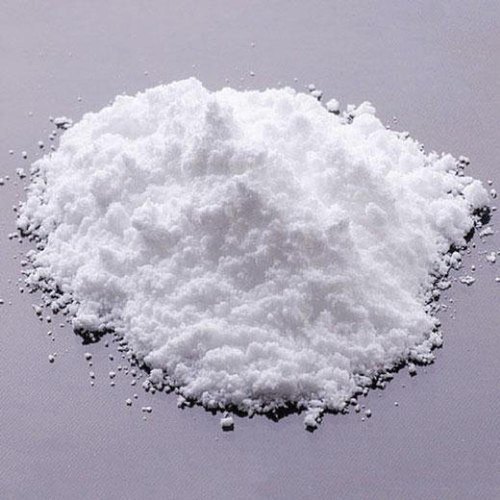
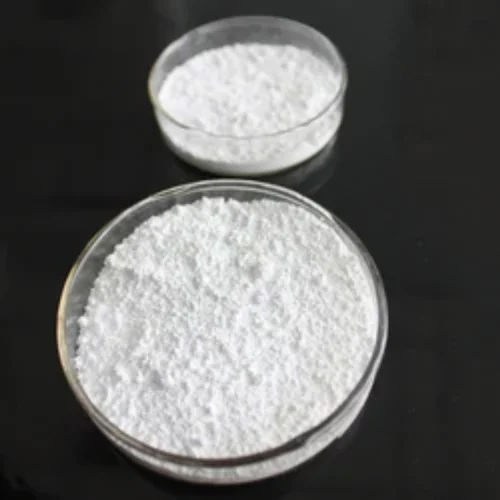
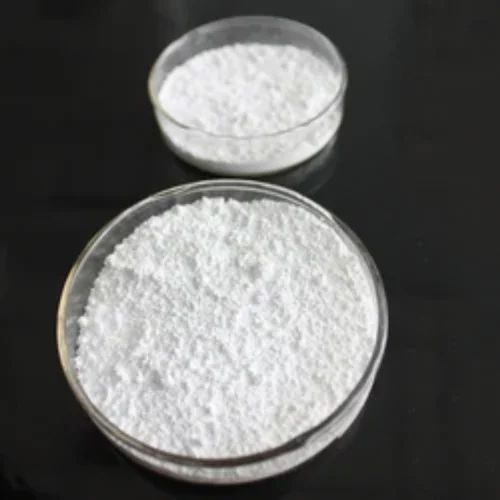
| Physical Form | Powder |
| Chemical Formula | Na2SeO3 |
| CAS Number | 10102-18-8 |
| Molecular Weight | 172.94 g/mol |
| pH Value | 7-14 |
| Melting Point | 320 degree C |
| Solubility | Soluble in Water |
| Color | White |
Key Features and PropertiesSodium Selenite Powder boasts a fine particle size, usually below 200 mesh, and offers excellent solubility in water, making it highly compatible with mineral feed formulations. Its molecular formula is Na2SeO3, with technical grade purity standards and stability under recommended storage. With a density of 2.62 g/cm3 and a pH level (1% solution) of 9.5-10.5, it is an essential compound for various industrial applications.
Applications and UsageWidely utilized in glass manufacturing, as a fortification agent in animal feed, and as a reagent in pharmaceuticals and laboratories, Sodium Selenites technical grade ensures reliable results across industries. Its ability to integrate with most mineral feed formulations extends its versatility, supporting nutritional and industrial requirements. Proper handling safeguards users due to its toxic and poisonous properties.
Storage and SafetyThis product must be kept in tightly sealed containers, in cool, dry places away from incompatible substances. Avoid inhalation, ingestion, or skin contact, as it may cause harm with improper exposure. Always follow recommended safety protocols, including protective equipment and handling instructions, to maintain safe use and prolonged shelf life up to two years.
FAQs of Technical Grade Sodium Selenite Powder:
Q: How should Technical Grade Sodium Selenite Powder be stored to maintain its stability?
A: Sodium Selenite Powder should be kept tightly sealed in HDPE containers or bags and stored in a cool, dry place. This ensures the product remains stable, preserves its shelf life of up to two years, and prevents moisture absorption or contamination.
Q: What is the primary industrial use of Sodium Selenite Powder?
A: The powder is commonly used in glass manufacturing, as a fortification agent for animal feed, pharmaceutical preparations, and laboratory reagents. Its technical grade quality makes it suitable for these varied industrial applications.
Q: When should precautions be taken during the handling of Sodium Selenite Powder?
A: Precautions are necessary at all times when working with Sodium Selenite Powder. It is toxic and harmful if swallowed, inhaled, or absorbed through skin, so the use of appropriate safety equipment and avoidance of direct contact are essential during handling.
Q: Where is Sodium Selenite Powder typically sourced or manufactured?
A: Technical Grade Sodium Selenite Powder is manufactured, supplied, imported, and exported by various companies in India, meeting global technical grade quality standards.
Q: What process is involved in integrating Sodium Selenite Powder into mineral feed formulations?
A: Due to its fine powder form and water solubility, Sodium Selenite can be easily blended into most mineral feed formulations, ensuring uniform distribution and effective fortification for animal nutrition.
Q: How does Sodium Selenite benefit industrial users?
A: Its high solubility, compatibility with mineral formulations, stable shelf life, and reliable purity make Sodium Selenite invaluable for industrial sectors such as glass, animal feed, and pharmaceutical manufacturing, enabling precise and efficient fortification or chemical processes.
Q: Is Sodium Selenite Powder safe to use in all environments?
A: Sodium Selenite Powder is toxic and must be used only by trained personnel with appropriate safety measures. While its stable and effective in intended technical applications, it should not be used outside recommended environments or without proper handling protocols.





 Send Inquiry
 Send Inquiry
 Send SMS
